






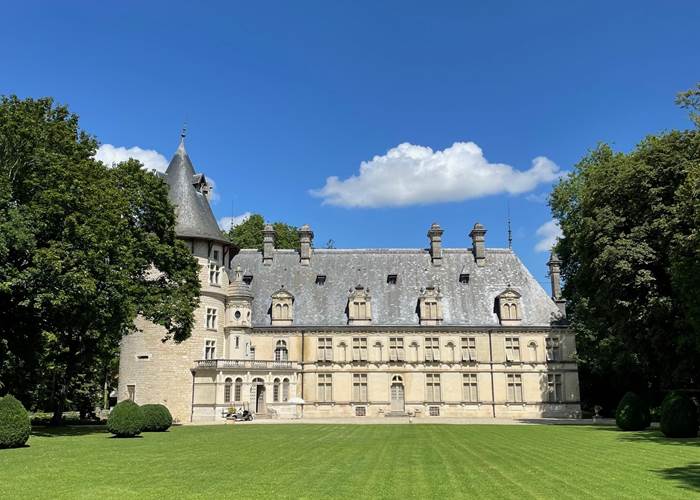
Château actuelle après les rénovations
Prise de vue avant la rénovation
Prise de vue avant la rénovation
Prise de vue avant la rénovation
Prise de vue avant la rénovation
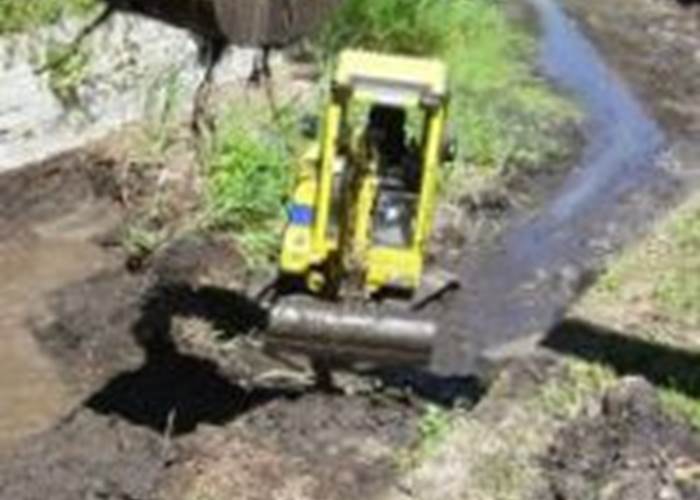
La restauration des douves
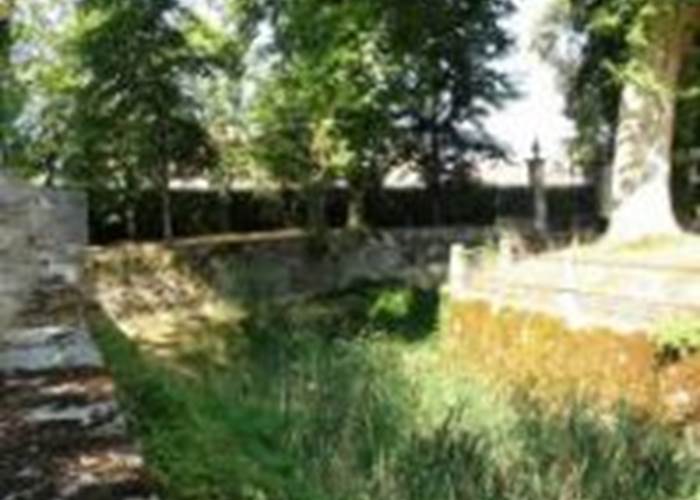
La restauration des douves
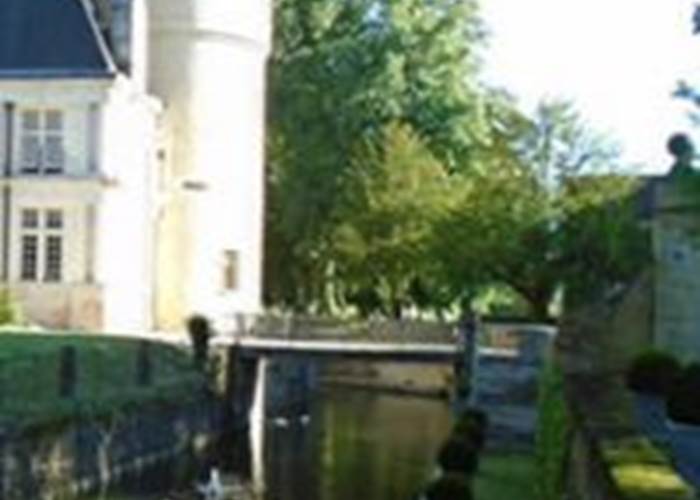
La restauration des douves
La restauration des douves
Chéneaux et lucarnes en travaux
Chéneaux et lucarnes en travaux
Chéneaux et lucarnes en travaux
Chéneaux et lucarnes en travaux
Chapelle avant le début des travaux

Vitrail de la chapelle
Intérieur et extérieur de la chapelle après rénovations
Chapelle après rénovation
Buffet d'eau avant
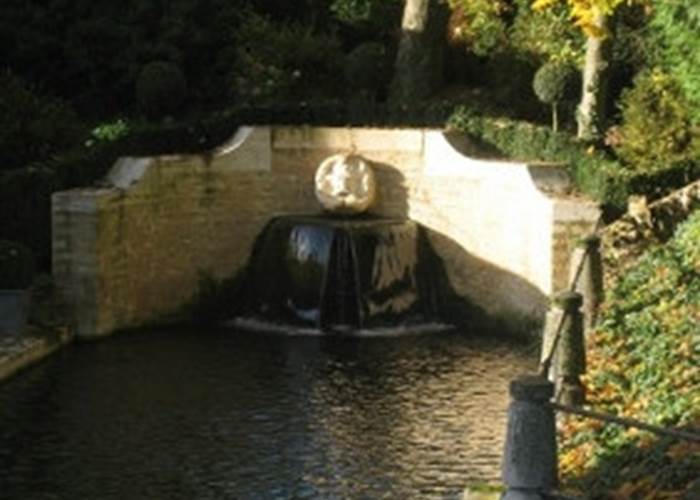
Buffet d'eau comme on l'admire aujourd'hui
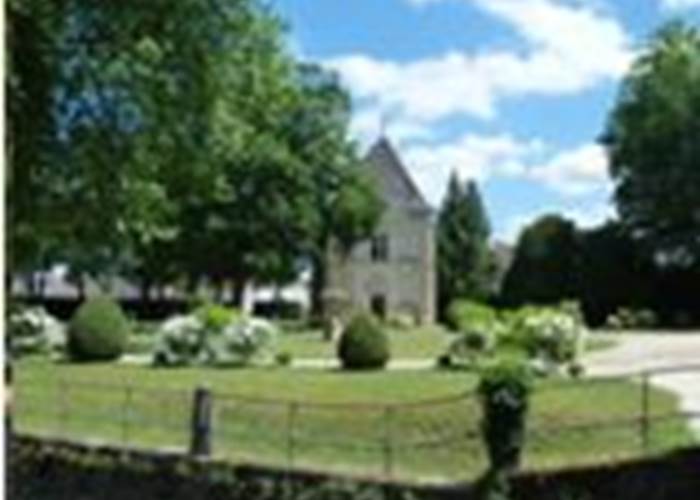
Chapelle restaurée
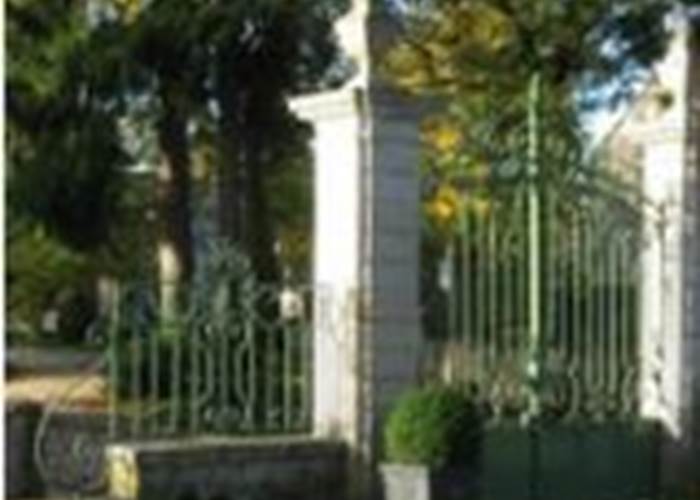
Grilles du château restaurées
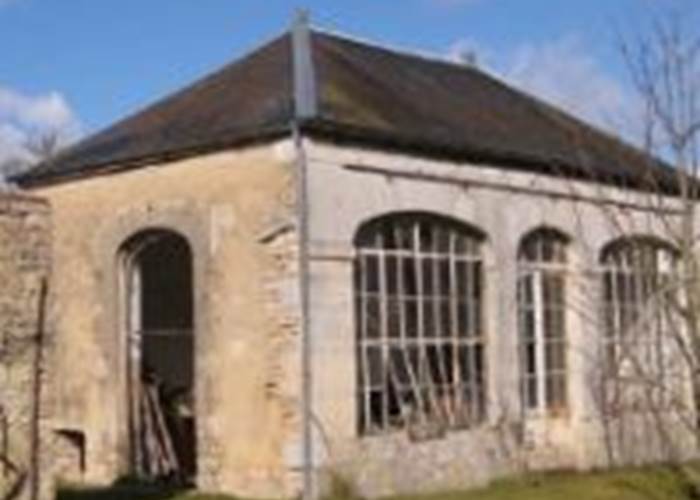
Orangerie avant les restaurations
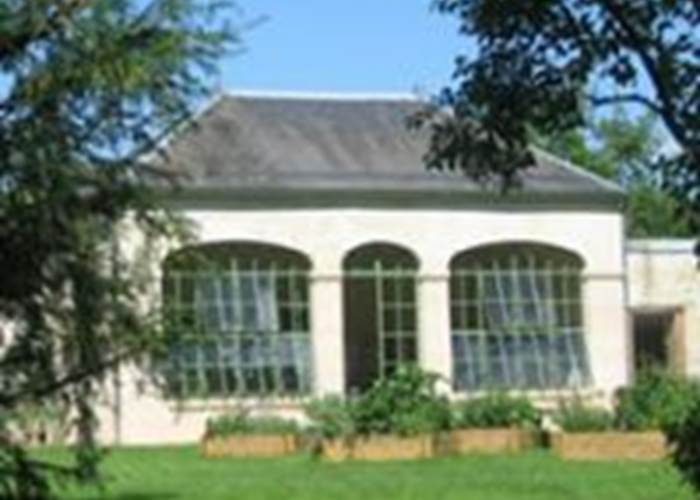
Chambre de chaleur après les restaurations
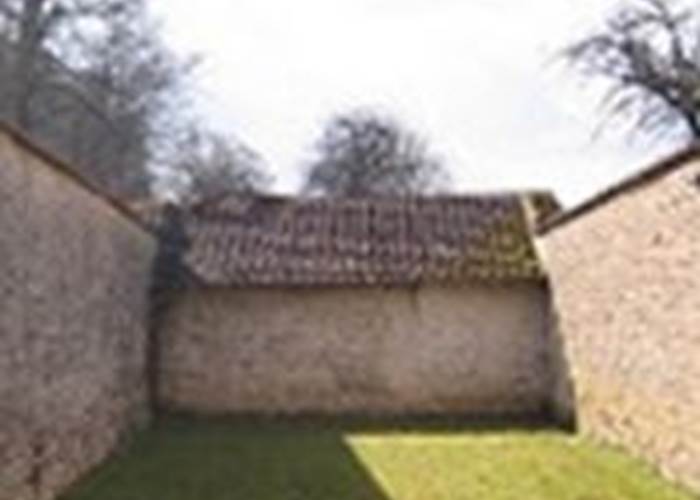
Chambre de chaleur avant les restaurations
Chambre de chaleur après les restaurations
La volière installée dans l'ancien chenil
Sans titre
Sans titre
Sans titre
Ten years of work for a renewal
Born from a sudden passion in 2002, the revival of the Château de Montigny-sur-Aube involves five major projects: the restoration of the moat, the château itself, the chapel, the orchards, and the outbuildings. The choice for its owners was simple: either to quietly restore this residence in the shadow of its ancient stones over a period of about twenty years, or to achieve this goal in leaps and bounds by uniting private and institutional patrons in a shared surge of enthusiasm and for the benefit of the greatest number.
A challenge launched by Marie-France Menage-Small and shared by her corporate sponsors in a common passion for regional heritage, made possible by the "sponsorship" agreement of the Demeure Historique.
Within a few months, three public institutions and six private companies responded positively. The latter committed to a period of five years.
This bold campaign was crowned with both French and American awards in recognition of the work accomplished, rapidly increasing the visibility of the venues to the French and international public.
The restoration of the moat
In 2002, the moat appeared as a dry space covered in reeds. As is often the case in the history of these dwellings, the waters had been diverted…
The multiple damages observed in the chapel, the east gable of the castle and those particularly in the grand staircase during the 2003 heatwave made all those involved in this project realize the priority of refilling the moat and restoring its supply from the Margelle spring on the heights of Montigny (property of the castle since always).
No less than 18,000 cubic meters of earth were removed. More than 200 meters of 5-meter-high walls had to be reinforced: the realm of reeds has disappeared, giving way to that of swans and ducks. This project was essential for the structural integrity of the château and the preservation of the park.
Very quickly the water table naturally repositioned itself under the control of the estate and within five to ten years all the vegetation had resumed its growth.
Restoration of the castle (interior and exterior)
From the first storms, the owners realized that the castle's gutters and downspouts also required immediate restoration, one of them following a 19th-century design to be in keeping with the monument's character. A simple cleaning of the north façade was also undertaken. The 1903 shutters were able to be restored. Numbering 59, they represented 5,700 slats to be remade or restored. The south façade, as well as its terrace, was also restored.
Finally, during the two winters of 2011 and 2012, the four dormer windows on the northern facade and then those on the southern facade were completely dismantled and restored.
At the same time, the interiors were restored. The small music room and the large Lantern Room, whose 15th-century woodwork was completely removed and restored to match the 18th-century colors discovered during the stripping process, were also restored. As for the castle's 19th-century kitchens, they too were restored, and the range cooker was brought back into working order, much to the delight of our cook.
The chapel's rebirth
The castle chapel is undoubtedly the jewel of this place. A superb Renaissance building closely linked to the chapel of Jean V d'Amoncourt in Langres Cathedral. Indeed, the latter, owner of the castle, was its archdeacon to his uncle – the Cardinal de Givry – a relative of the king.
This is how the facade of the chapel, where the arms of the d'Amoncourt family can be found, was able to be restored during the year 2009. Seven craftsmen devoted a large part of their summer to restoring it to its former glory, highlighting the two Doric columns surmounted by Ionic columns crowned with a triangular pediment.
Like its facade, the interior has also undergone significant restoration. The damage caused by the 2003 heatwave has been repaired, and the 240 magnificent coffers of the vault have been cleaned with goose feathers. Only the roof remains to be done, pending better days.
The restoration of the Orchards and Vegetable Gardens
Thanks to a major call for projects launched in 2008 by the regional authorities of Burgundy, the owners of Montigny decided to launch the rehabilitation of the Orchards-Kitchen Gardens in the spirit of the 19th century model and thus add to the architectural excellence of the place that in the field of arboriculture and its garden forms specific to the great houses of the 19th century.
The restoration of the orangery and its heat chamber
Continuing from the Orchards-Vegetable Gardens are the heat room and the orangery, forming a coherent whole worthy of 19th-century kitchen gardens.
Both listed as historical monuments, they were restored in 2010 and have since provided a space for visitors to eat during the warmer months, as well as for seed production in the winter. Indeed, formed by two walls 3.60m high and 6m apart, and enclosed on one side by the storeroom and on the other by the orangery, the heat chamber has become, over the years, a superb fig orchard, housing the seedbeds in winter, whose seedlings ensure the vegetable and herb production of the Drive Fermier (farm drive-through).
As for the orangery, since 2010 it has been a multi-purpose space combining exhibition, catering and various events.