






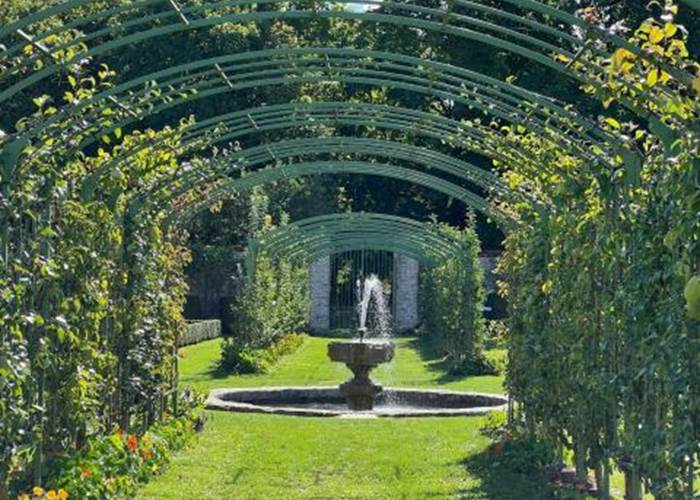
Les vergers-potagers
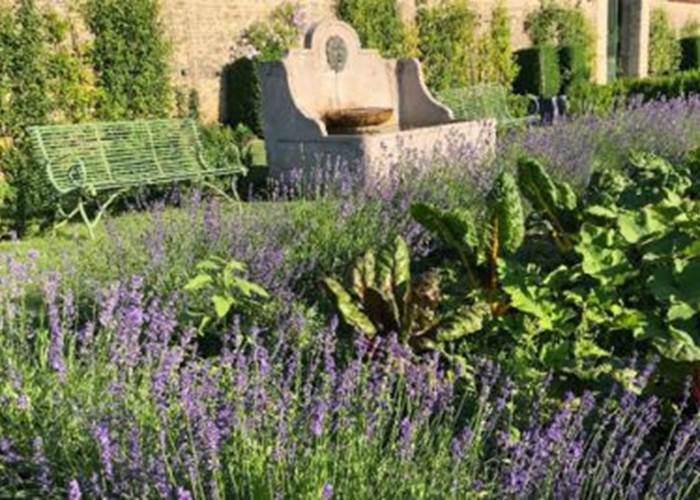
Carrée des lavandes
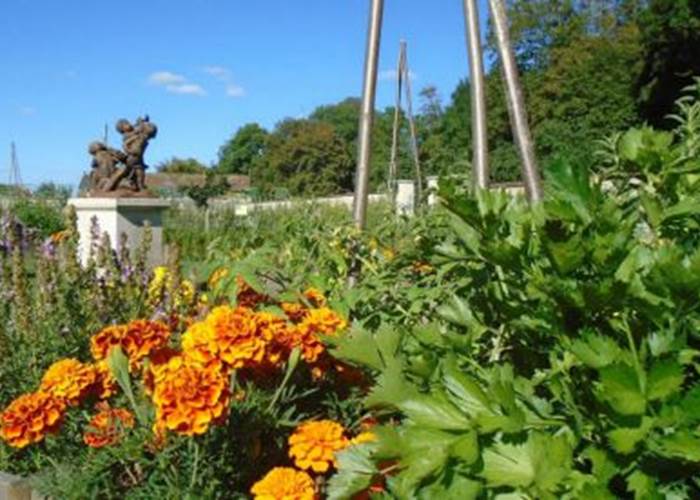
Jardin des enfants
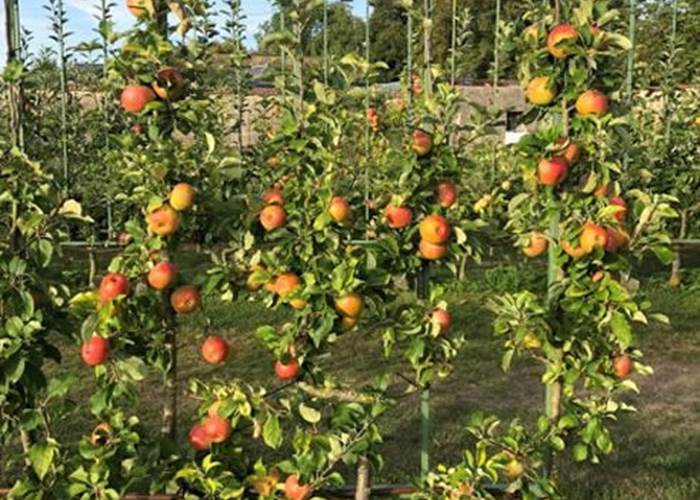
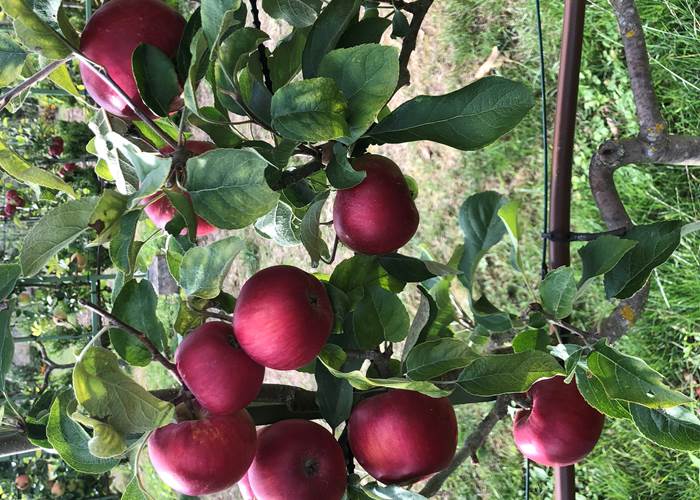
Pommiers en espalier
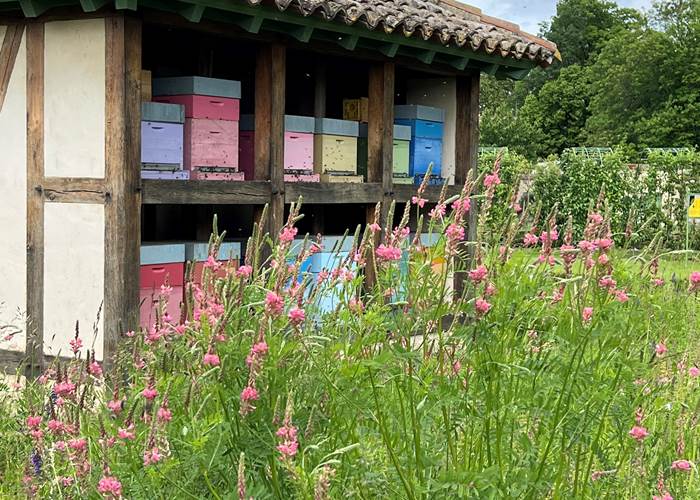
Le rucher dans les vergers-potagers
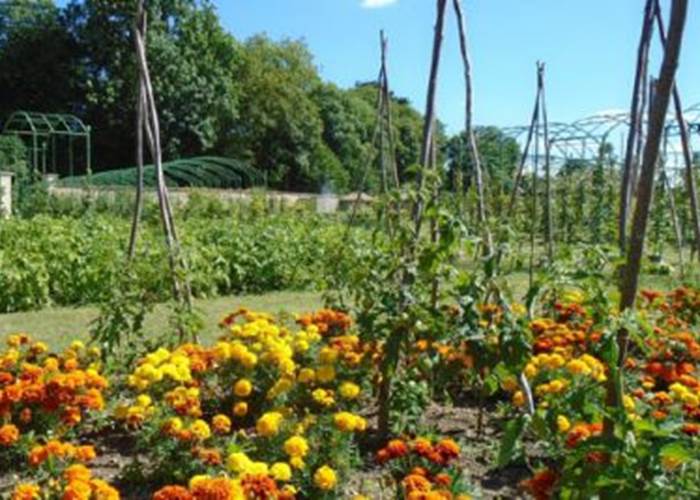
LES VERGERS-POTAGERS
Sans titre
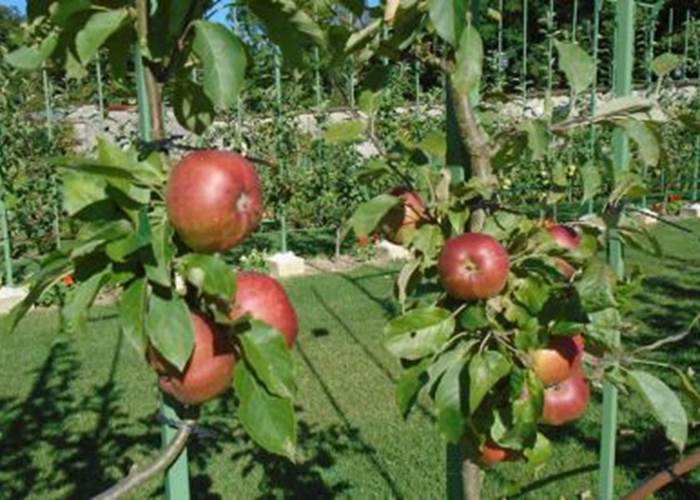
Pommiers en espalier
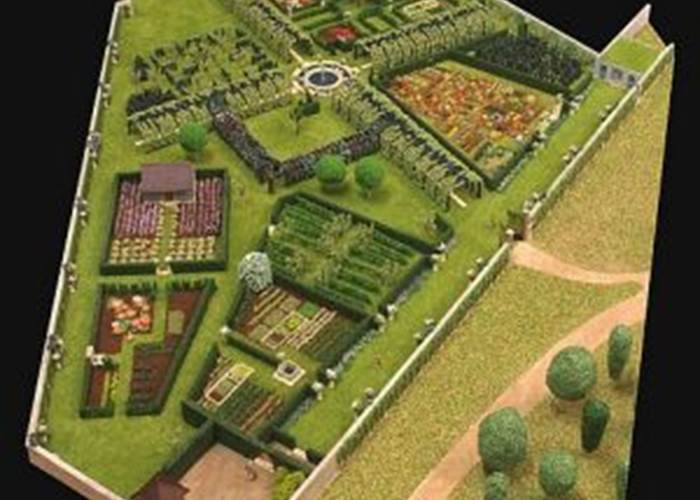
Maquette des vergers-potagers
Sans titre

Logo
Vegetable gardens and orchards in the 19th-century style
The rehabilitation of the Montigny Orchards and Vegetable Gardens, starting in 2010, was the subject of an in-depth preliminary study involving Éric Pallot, chief architect of Historic Monuments, Marc Lechien, landscape architect in charge of parks and gardens of Champagne-Ardenne, and Marie-France Ménage-Small, owner of the castle.
The aim is to revive a showcase of the know-how of 19th-century gardeners, through the culmination of fashionable techniques such as espaliers or grafting.
An opening to the public, particularly school groups, but also the creation of a place for learning and knowledge transfer through internships for young students in partnership with specialized schools and high schools, and workshops for the general public. Our tree, vegetable, and beekeeping productions benefit from the ESPRIT PARC label.
A showcase of expertise
The orchards and vegetable gardens are adjacent to the English-style park, near the orangery. They represent a walled space of 5,244m2.
One can discern the 19th-century layout: a cross of paths leading to a vast circular basin, "the gardener's basin", with, nearby, a heat chamber (presumably housing a melon patch and delicate fruit trees) which leads to the orangery.
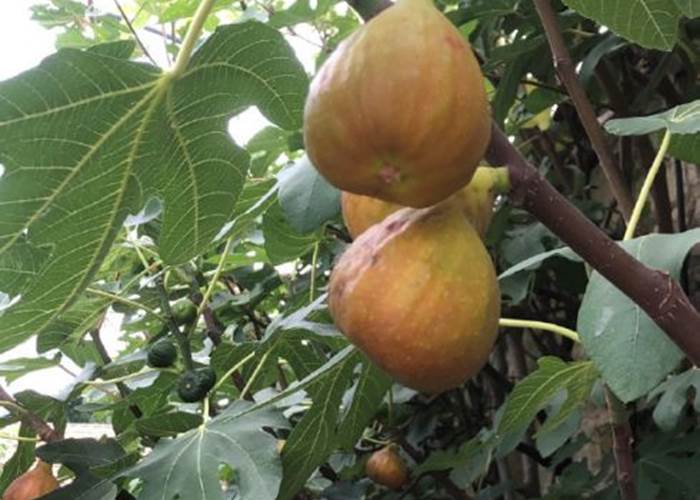
It has many varieties of apple and pear trees, some of which are mentioned in 16th-century pomological treatises, while others were created in the 19th century.
It should be noted that Montigny is a very good illustration of the advances in the science of fruit tree cultivation in the 19th century.
The very layout of the enclosure reflects the search for an ideal: the 3.60-meter walls form an irregular polygon, optimizing sun exposure in all seasons.
The craftsmanship of the time was at its peak with sophisticated shapes of trees in vases, pyramids, goblets...
Apple and pear trees are cultivated in the form of horizontal cordons, vertical or arches. The combination of productivity, rationality and aesthetics is thus achieved.
Nine gardens
Nine gardens connected to the original irrigation network without hindering visitor access:
Three vegetable gardens (the Chassis garden, the children's garden, and the tomato and potato area)
Four open-air fruit gardens (the cashiers' garden, the red fruit garden, the cordon garden, and the peach garden) complement the collection of espaliered fruit trees trained against the walls. Finally, there is the bee garden with its apiary built with hemp cob and timber framing. In total, several hundred varieties of fruit and vegetables, many of them heritage varieties, are included in the "Freshness" gift baskets, which can be enjoyed on the orangery terrace or taken away.
Four arched walkways lead to the gardener's pond where a beautiful Renaissance-era fountain surrounded by benches provides visitors with a place to pause for reverie.
In the middle of this timeless space stands a superb apiary made of hemp cob and timber framing where the lady bees are busy producing delicious honey.
All these fruits and vegetables can be consumed on site at the farm-inn A La Table Des Jardiniers or taken away, in the form of a Freshness Box.